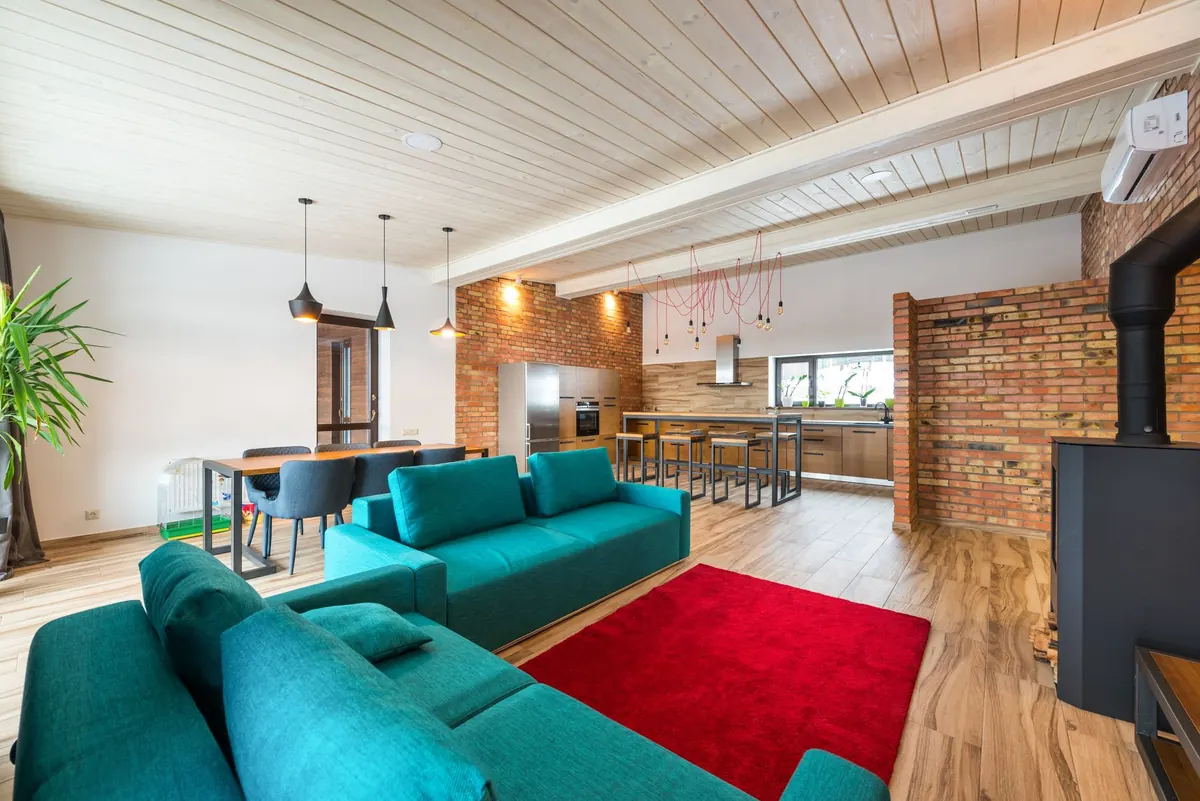
A birthday lunch, a christening spread, a leaving do for the neighbour who has lived here longest: the communal lounge is the reason Glade Court can host these things without anyone hiring a hall. It is warm, it is familiar, and your guests can walk home afterwards.
It is also a shared room. Everything that happens in it — the music, the cooking smells, the stack of chairs at the end of the night — is noticed by people who are not at your party. Book it properly, keep the numbers honest, and hand it back as you found it.
Before You Book, Read the Small Print
The booking sheet usually lives on the noticeboard by the main entrance, and the current version is the only one that counts. Read it before you commit to a date. It will tell you how far ahead you can reserve, which hours the lounge is available, whether a deposit or key charge applies, and whether music, cooking or alcohol are restricted.
Book earlier than feels necessary. December weekends and Saturday evenings go first, and a resident who reserved the room three weeks ago has priority over your good intentions. Fill in your name, flat number and contact details, then ask the management office to confirm by email so there is a record.
If your event is more than a private gathering of friends — a ticketed evening, a sale, a paid class — stop and check the terms of your lease and ask the managing agent before you advertise anything. Rules on alcohol, licensing and insurance vary from building to building, and it is far easier to ask a question in advance than to explain yourself afterwards.
Work Out Your Numbers Before the Invitations Go Out
Find the stated capacity on the booking form and treat it as a ceiling, not a target. The room feels very different with twenty people standing than with twenty people seated at tables, and children take up as much floor as adults once they start moving.
Sketch the guest list on paper rather than estimating in your head. Add the plus-ones, the toddlers, the two friends who always arrive together. If the list creeps past a comfortable number, consider splitting the event into two sittings rather than cramming everyone in.
Keep that final list with you on the night. If the fire alarm sounds, you want to know within seconds how many people should be standing outside. Ask guests to sign in if the building requires it, and remind them to park considerately — nothing sours goodwill faster than a blocked bay.
Setting Up the Room
Ask about access times when you book. You will usually have a short window before the event to set up and a short one afterwards to clear, and knowing those boundaries stops you from colliding with the next booking.
Chairs and tables are normally stacked in the cupboard or along the back wall. Lift them rather than dragging, and use furniture pads if the floor is not carpeted. Blu-tack only — no pins, no nails, no tape left on painted surfaces. Keep fire exits, doorways and the corridor clear at all times, and tape down any cable that crosses a walking route. Test the sockets and the kettle before the first guest arrives, not while you are holding a tray.
Think about the layout in advance. One long table suits a meal; clusters of small tables suit a drinks reception; a clear route to the kitchenette saves a hundred small collisions. Push the seating away from the wall you share with the next flat. That single decision does more for neighbourly relations than any apology later on.
Keeping the Noise Civil
Sound travels through lounge walls more than people expect, particularly bass. If you are using a speaker, keep it off the floor, point it into the room and away from the party wall, and turn it down gradually as the evening goes on rather than waiting for a complaint.
Tell the neighbours you are likely to affect — the flats either side and directly above — a few days beforehand. A note through the door does the job:
We're having a few people in the lounge on Saturday, finishing about ten. Please knock if it gets too much.
Keep doors and windows closed once the music starts, and keep the corridor free of drinks and lingering conversation. Nominate one person, ideally not you, to be the volume referee. If someone does knock, apologise, turn it down and mean it. There is no argument worth winning at eleven at night.
Food and Drink Without the Fuss
Cold food is simpler and safer. If you want something hot, serve it early and keep it to one dish rather than running a full kitchen from a kitchenette. Label anything that contains a common allergen, and ask guests who bring dishes to do the same. If anyone at your gathering has a serious allergy, take it seriously and keep the relevant dish separate rather than guessing.
Put a note on the fridge shelf you need a day or two beforehand. Bring your own crockery and cutlery unless you have checked what is in the cupboard and it is clean and complete. Bin bags, washing-up liquid and a spare tea towel are the three things people always forget.
Take your rubbish home with you. Communal bins fill quickly, and a bag of party waste left beside an overflowing bin will still be there in the morning. Recycling that will not fit goes in your car, not on the floor.
The Clean-Up Routine That Prevents Arguments
Give yourself half an hour and work through it in the same order every time:
- Wipe every table and chair, including the ones nobody seemed to use.
- Vacuum or sweep the whole floor, not just the middle of the room.
- Stack chairs and tables back exactly where you found them.
- Empty the fridge of anything you brought, and check the freezer compartment.
- Take all rubbish and glass out to your own bin or your car.
- Clear the sink, rinse the draining board, turn the taps off properly.
- Close the windows, turn the heating down and switch off the lights.
- Lock up, return the key, and note anything that looks damaged.
Then stand in the doorway and look at the room as though you had just arrived for someone else's booking. That final glance catches the glass on the windowsill and the jacket over the back of a chair.
If something does break, report it the same night. An email to the management office with a photograph and a short note of what happened is far better than a caretaker discovering it on Monday morning.
A Five-Minute Check Before You Start
- Booking confirmed in writing, with access and finish times.
- Guest list written down and within the stated capacity.
- Neighbours either side and above told in advance.
- Speaker positioned away from the party wall.
- Bin bags, cloths and washing-up liquid already in the room.
- Food labelled, fridge shelf claimed.
- Someone nominated to watch the volume.
- A clear plan for who locks up and who returns the key.
Get those eight things right and the rest is just a party. The lounge will still be there next month, and so will the neighbours — which is really the point of doing this well.
Photo: elle_kh / Pixabay